

ScholarCohort 2026: Celebrating Talent, Community, and Women in Computing
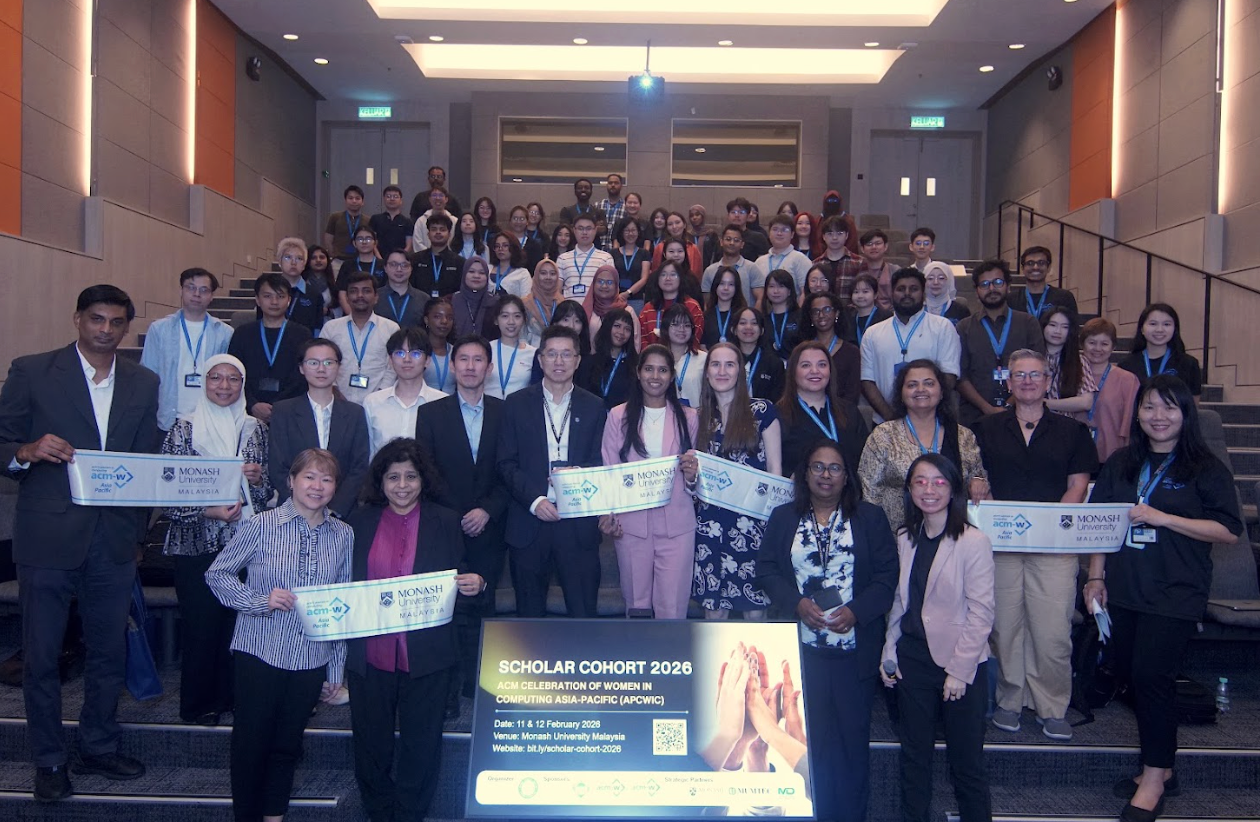

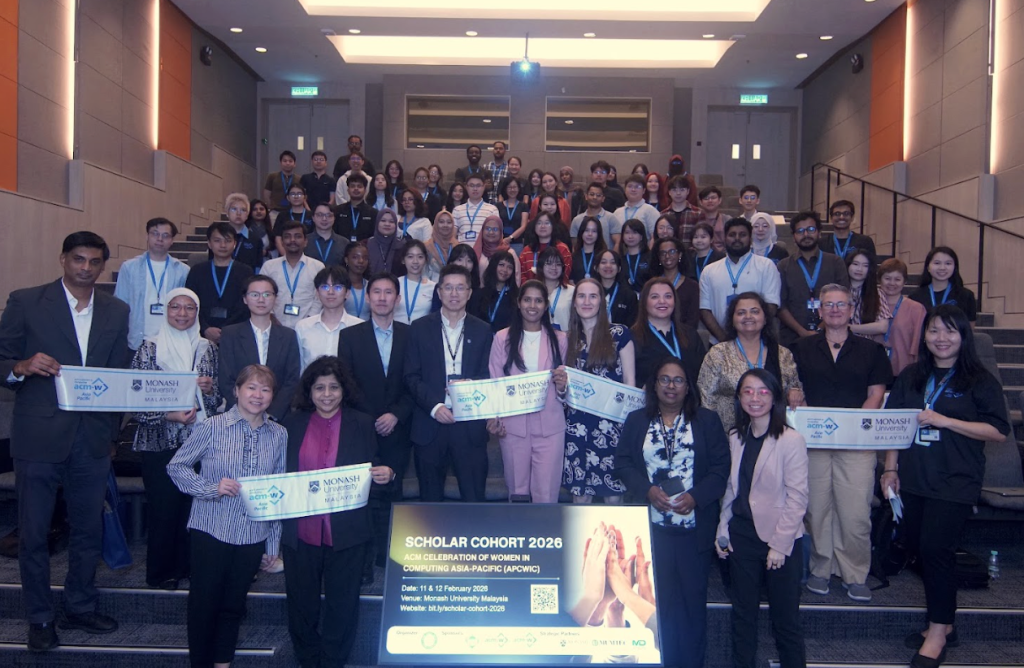
Scholar Cohort 2026 was successfully held on February 11–12, 2026, bringing together students, academics, and industry professionals for a two-day program focused on learning, collaboration, and professional development in computing. The event featured keynote talks, panel discussions, interactive workshops, and networking opportunities, creating a comprehensive platform for participants to engage with current trends and future directions in the field. The programme attracted participants from universities across the Asia Pacific region, alongside distinguished speakers from academia and industry worldwide, fostering an inclusive and collaborative environment for knowledge exchange and community building.
 |  |
Day 1: February 11, 2026
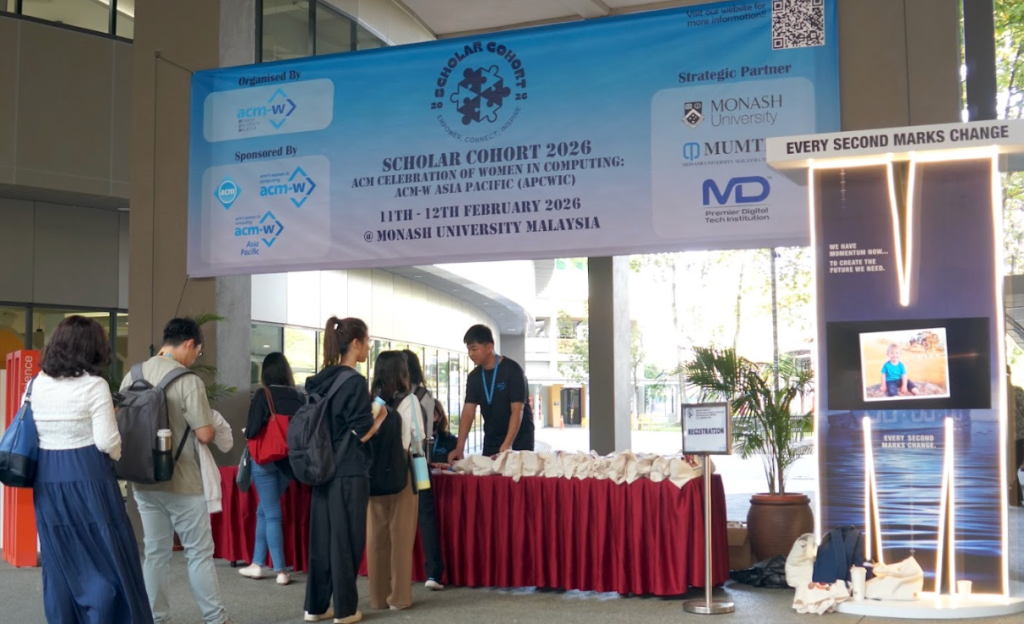
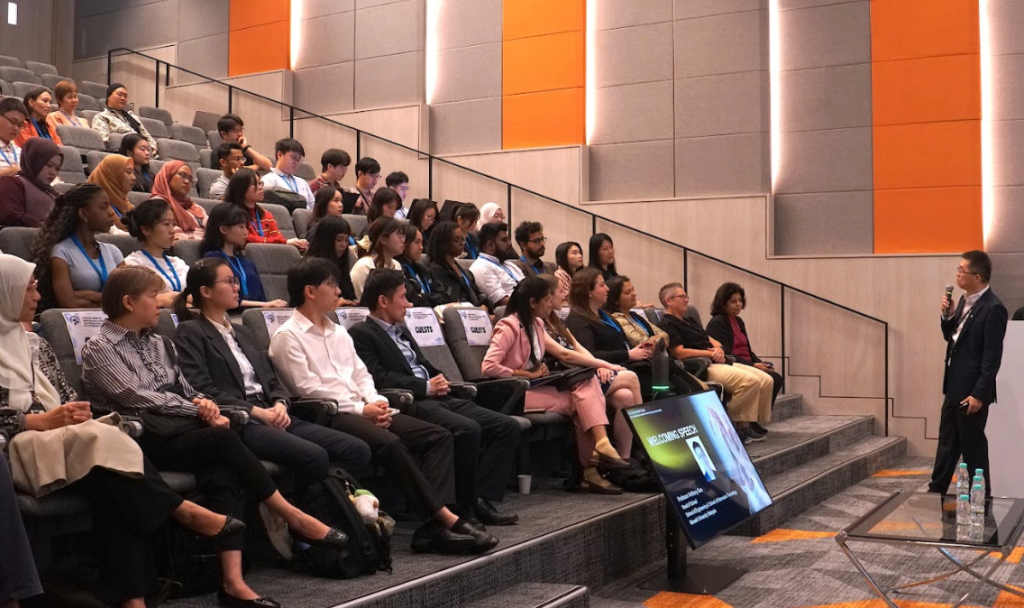
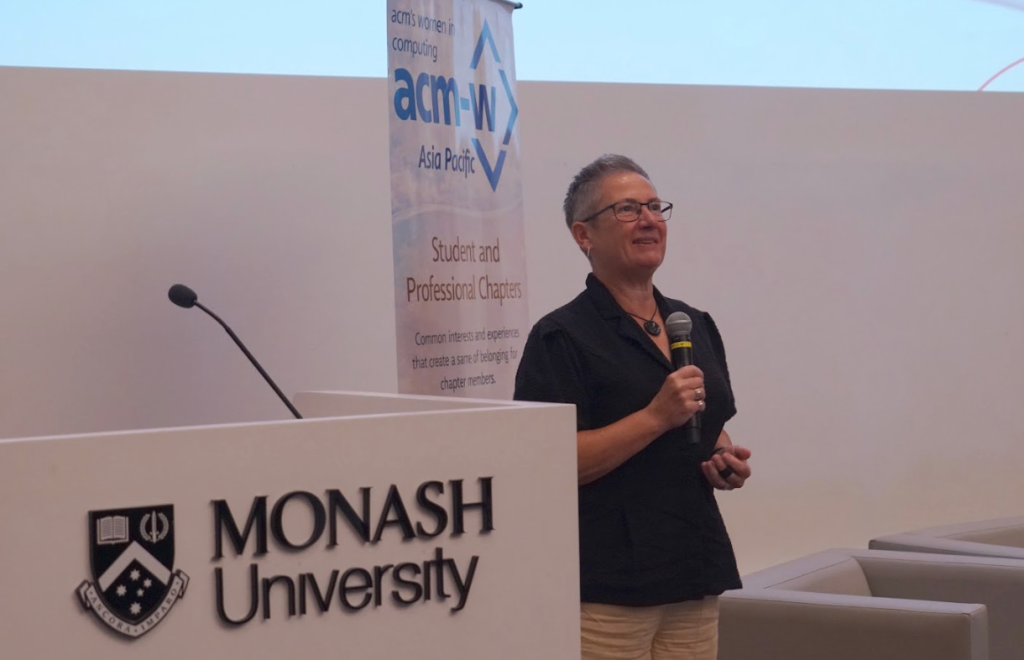
The event commenced with registration and a light breakfast, followed by the Opening Ceremony and Welcome Address, delivered by invited academic leaders including the Head of the School of Engineering and School of IT, Prof. Anthony Guo (Monash University Malaysia), the Chair of ACM-W Asia Pacific, Assoc. Prof. Bimlesh Wadhwa (National University of Singapore); and the Co-Chair of ACM-W Global, Dr. Rukiye Altin (Kiel University, Germany) . The opening session set the tone for the event, emphasizing the importance of collaboration, inclusivity, and leadership in computing.
The morning continued with the first keynote: Humans in the Loop: Human-Centred Computing for the Internet of Things, presented by Prof. Judy Bowen (University of Waikato, New Zealand). The keynote highlighted the role of human-centered design in emerging technologies and its impact on the real-world. applications.
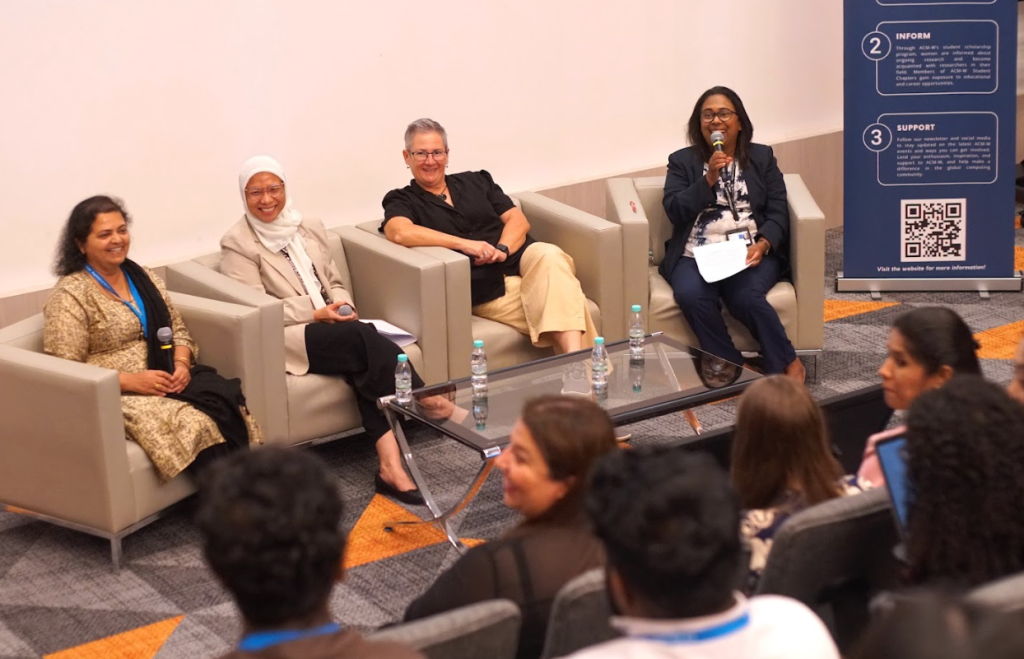 |  |
This was followed by a panel discussion on Ethical & Responsible AI, moderated by Dr. Anuja Dharmaratne (Monash University, Australia), featuring distinguished panelists including Prof. Judy Bowen, Dr. Arati Dixit, and Dr. Susi Susilawati . The discussion explored critical issues such as AI ethics, accountability, and responsible deployment in society.
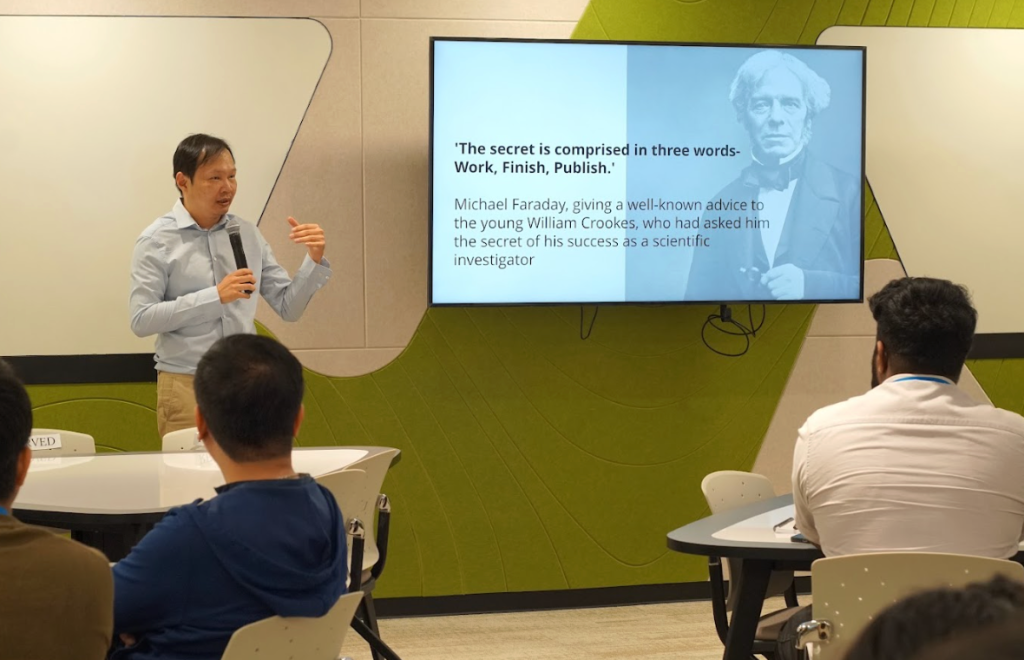
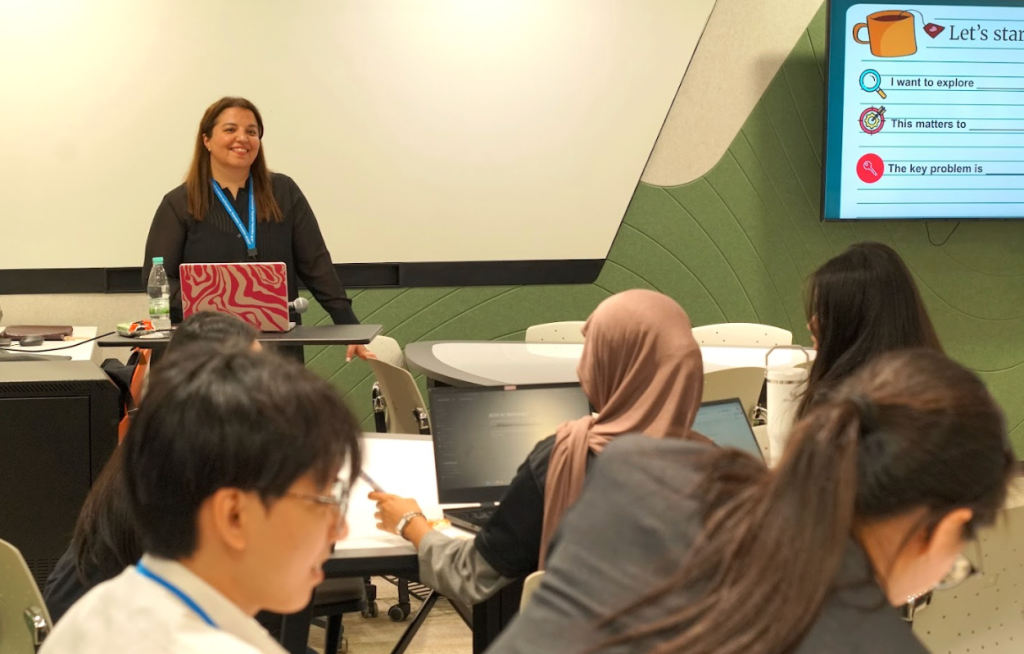
After a networking lunch, participants engaged in parallel workshops, including:
- From Idea to Proposal: A Practical Writing Workshop by Dr. Rukiye Altin
- Publishing with Impact: Tools, Tips, and Strategies by Prof. John See
These sessions provided hands-on guidance on academic writing, research dissemination, and publishing strategies.
 |  |
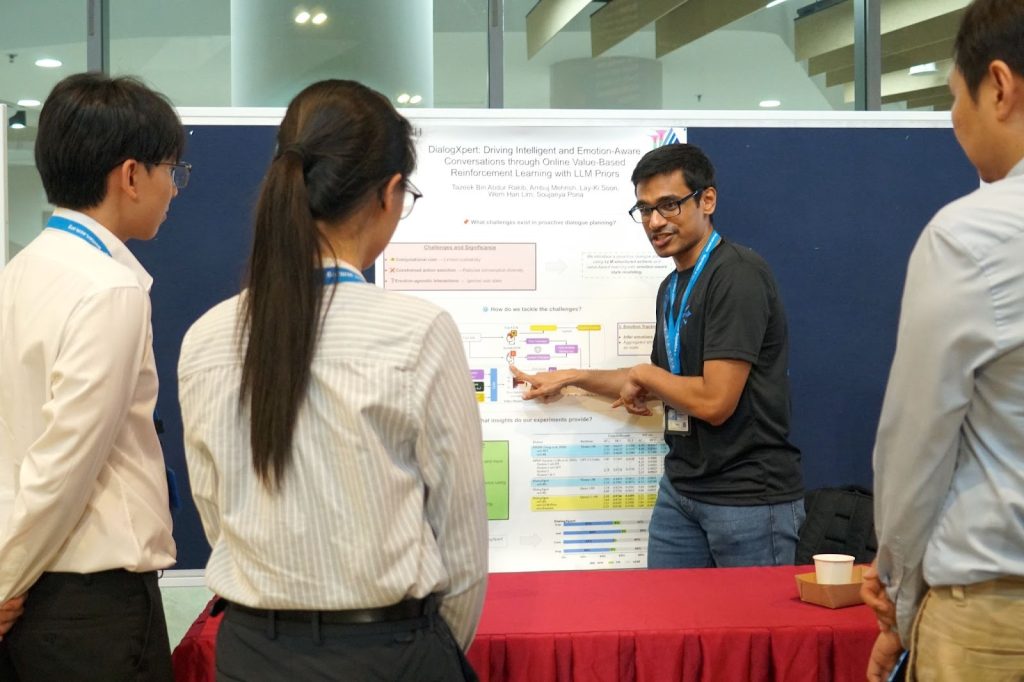
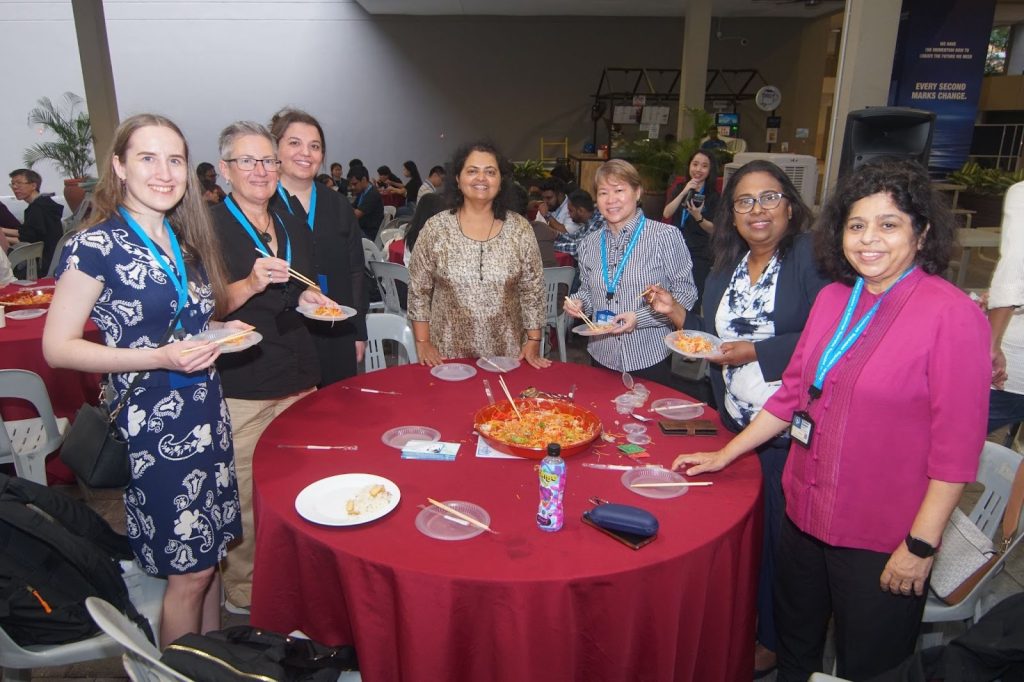
Following the workshop sessions, poster sessions and project demonstrations were held, allowing participants to present their work and exchange ideas. The day concluded with a light note, with group photo sessions and dinner to strengthen community engagement.
 |  |
Day 2: February 12, 2026
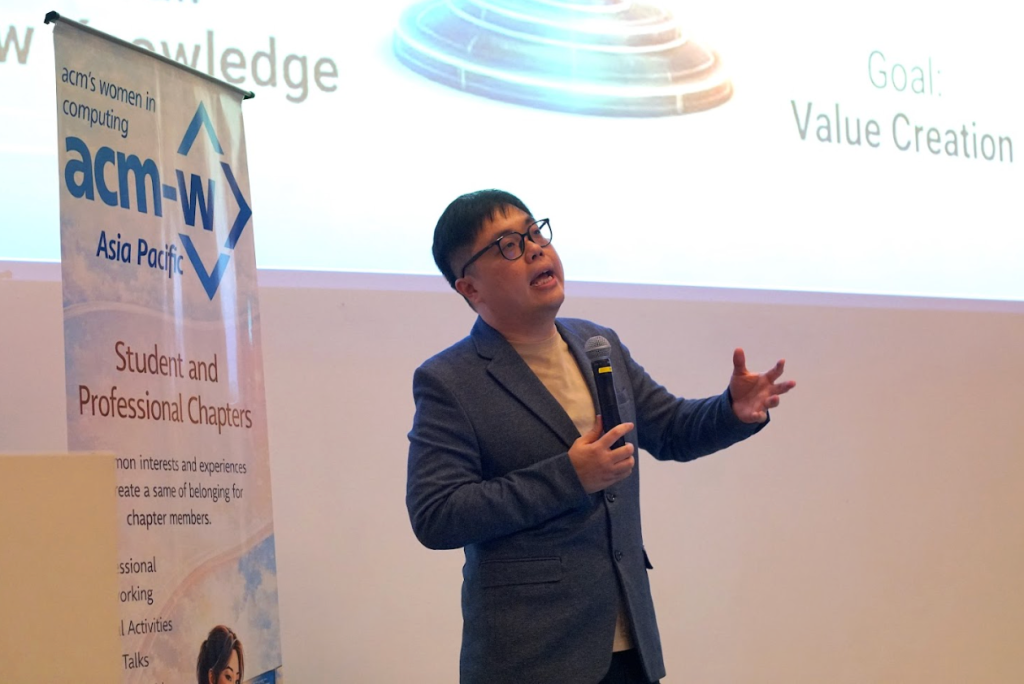
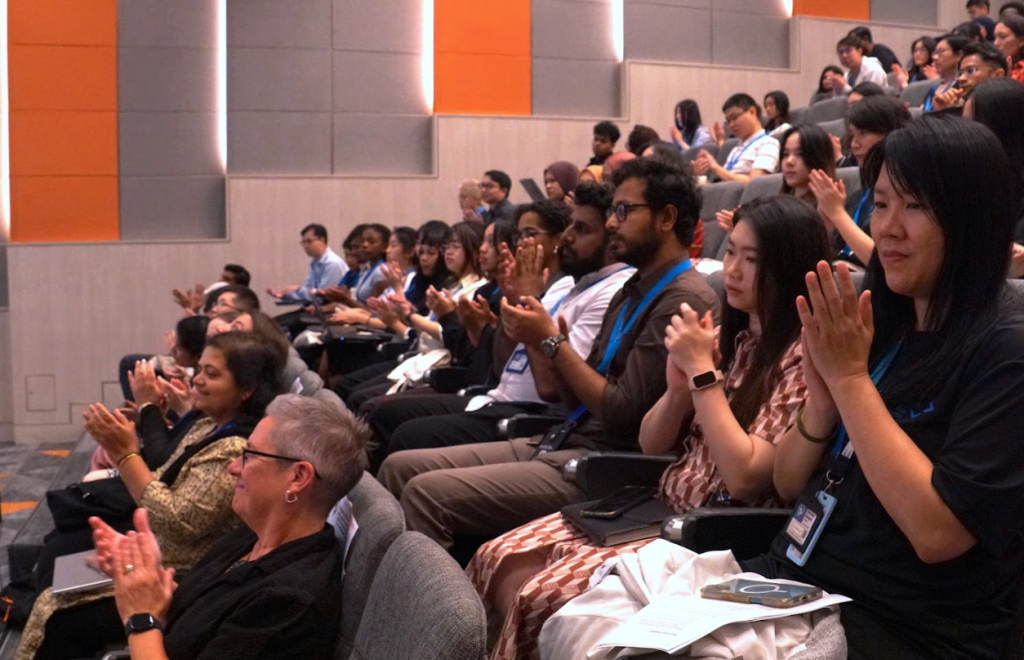
Day 2 began with registration and networking, followed by Keynote 2: Is the Grass Really Greener? Comparing Academic and Industry Career Paths by Dr. Chun Yong Chong (Huawei Hong Kong). The keynote offered valuable insights into career decision-making, highlighting differences and opportunities across academia and industry.
 |  |
The program continued with another series of parallel workshops, including:
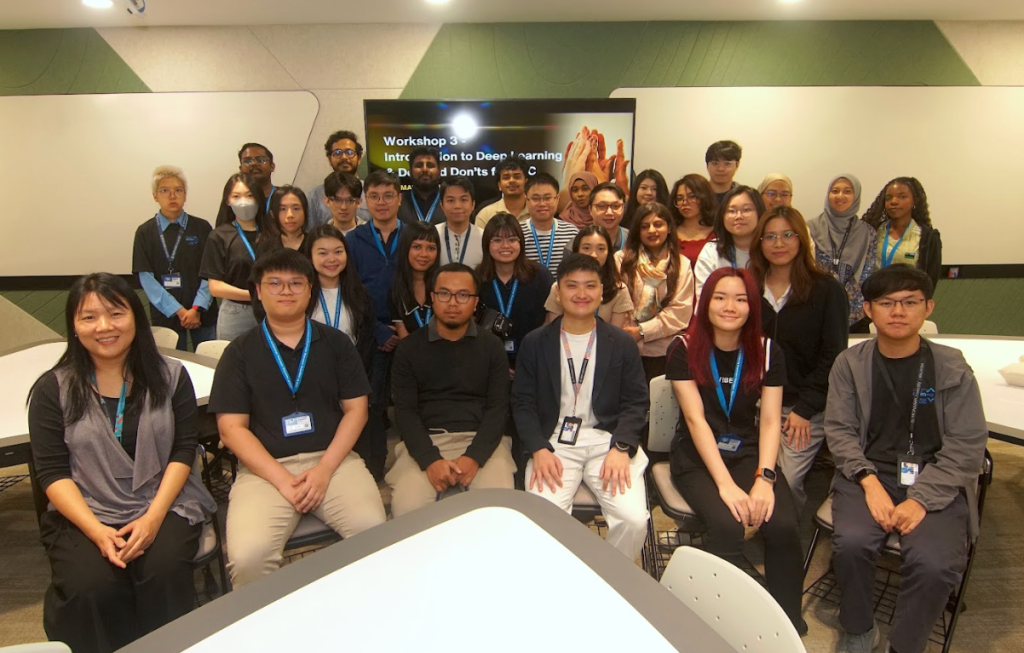
- Introduction to Deep Learning & Dos and Don’ts for HPC by Dr. Marcus Lim Jun Yi
- Stand Out on Paper, Shine in Person: CV & Interview Mastery by Dr. Mark Chia
 | 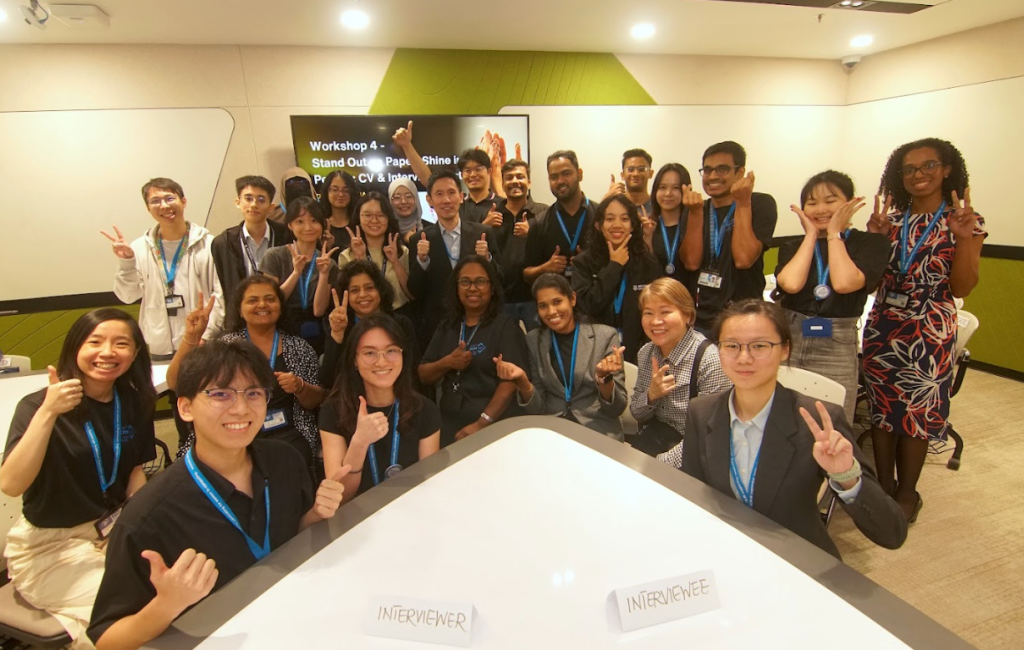 |
These sessions equipped participants with technical insights into computing advancements and practical strategies to enhance career readiness skills.
Following lunch, the program continued with the final parallel workshop session, which included:
- Industrial Grant Applications: From Proposal to Partnership by Dr. Joanne Lim Mun Yee
- Achieving Balance: Well-Being Strategies for Computing Students by Dr. Arati
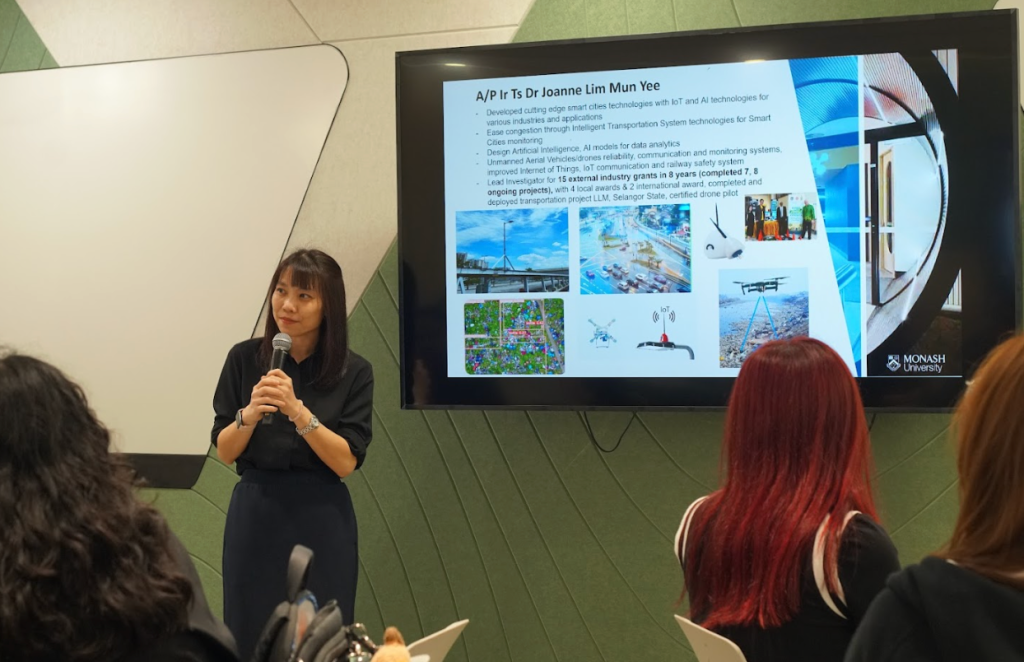 | 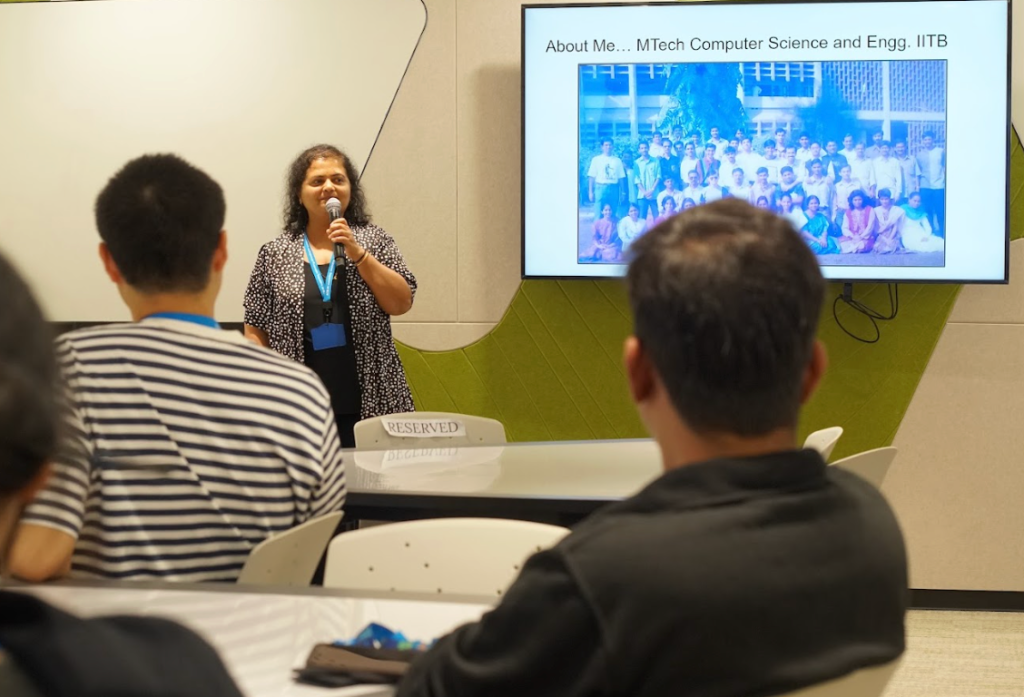 |
The former emphasized the importance of bridging academia and industry, equipping participants with practical knowledge on securing funding, building collaborations, and translating research into impactful outcomes. Meanwhile, the latter encouraged participants to prioritize well-being as part of a sustainable academic and professional journey.
Conclusion
Scholar Cohort 2026 successfully created a holistic platform for academic growth, professional development, and networking. Through its combination of keynote talks, panel discussions, workshops, and interactive sessions, the event enabled participants to gain valuable insights into research, industry trends, and career pathways.
The event fostered cross-institutional collaboration, strengthened connections between academia and industry, and empowered students with practical skills and knowledge. Overall, Scholar Cohort 2026 served as a meaningful step toward building a stronger and more connected computing community in the region.
Other details about the event
Format: In-person • Dates: 11th and 12th February 2026 • Venue: Monash Malaysia
Speakers and Facilitators

Dr. Bimlesh Wadhwa
National University of Singapore

Dr. Rukiye Altin
Kiel University
Click ro read bio
Rukiye Altin is a full-time researcher in the Computer Science Education Research Group in the Department of Computer Science at Kiel University, Germany. The group focuses on students’ perceptions of computer science topics, modelling and measuring computer science competencies, and examining teachers’ subject-specific didactic knowledge in computer science. Her research focuses on computer science education, gender diversity in computing, and the integration of AI in K–12 classrooms.
She is an active member of ACM, currently serving as the ACM-W Global Chair and an ACM DEI member, and formerly served as the ACM-W Europe Chair. Through these roles, she contributes to initiatives that support and connect women in computing worldwide. Her academic work bridges research and practice, with the goal of fostering more inclusive and equitable participation in computer science education.

Dr. Judy Bowen
University of Waikato
Click to read bio
Judy Bowen is an Associate Professor in Software Engineering and Computer Science at the University of Waikato, New Zealand. Originally from South Wales, Judy moved to New Zealand in 1999 and completed her MSc and PhD at the University of Waikato, both focussed on the use of formal methods for interactive system design. Her research spans the disciplines of software engineering and human-computer interaction and focuses on interactive system design, model-driven development and testing, and the impacts of ubiquitous technology, wearable technology and IoT solutions on end-users. She leads the Human-Centred Computing group at the University of Waikato and has run large projects on wearable technology in the workplace, medical device design and model-driven development.

Dr. Anuja Dharmaratne
Monash University

Dr. Susi Susilawati
Monash University Malaysia
Click to read bio
There have been a big shift in transport planning and management recently in which transport planning is no longer focused on constructing transport infrastructures instead focused more on providing reliable transport services and improving accessibility. An integrated, well-coordinated and reliable traffic systems is needed. Dynamic traffic modelling which incorporate time dependent traffic demand and supply generated from readily available big data enable to better manage urban transportation. To tackle the challenges, a multidisciplinary intelligent and smart transportation ecosystem project is currently undergoing which aims to smoothen traffic flow in by reducing commuter heavily reliance on road traffic through voluntary travel demand management.
Dr. Susilawati received her Master’s and Doctorate degrees in Transportation Engineering from the University of South Australia in 2007 and 2012. Before joining Monash, she worked in multinational consulting firms as a geo-spatial data analyst in Indonesia and Australia. Her research interests are mainly on dynamic transport planning and modeling that consider the stochastic nature of traffic demand and road capacity to measure travel demand management’s effectiveness, including congestion charging and create reliable transport systems and. She has been working on projects to evaluate various effects of road disruptions on traffic performances considering supply and demand variation using the transport network vulnerability approach.
Her current research activities focused on the evaluation of the effects of Autonomous Vehicles (AVs) and Shared Autonomous Vehicles (SAVs) adoption on public transport’s first-mile and last-mile connectivity and the in-vehicle value of time (IVVT) and schedule delay.
She is a PI of two FRGS on sustainable and intelligent transport and Co-PI on several multidisciplinary projects on smart city and active mobility. In 2010, she was awarded the Inaugural Young Researcher Award by the Australian Road Research Board (ARRB).

Dr. Arati Dixit
Applied Research Associates Inc. & North Carolina State University

Dr. Reyyan
Ayfer
Bilkent University
Click to read bio
Reyyan Ayfer, after working for the industry for more than a decade, dedicated 35 years of her career to Bilkent University in Ankara, Turkey, taking on a diverse range of roles. She served as an instructor, chair of Computer Technology and Programming, vice chair of Computer and Instructional Technology Teacher Education, director of the Institutional History Unit, and coordinator of BETS (Bilkent Educational Technology Services). Her research interests encompass programming, data structures, computer science education, information ethics, and security. Throughout her career, Reyyan committed to advancing the field of computer science and fostering a positive learning environment.
Ayfer held several leadership roles within the Association for Computing Machinery (ACM) to enhance computer science education and increase women’s representation in the field. She received the Anita Borg Change Agent Award in 2008 after eight years as ACM-W Ambassador for Turkey. She organized the 15th annual European conference on Innovation and Technology in Computer Science Education (ITiCSE) for ACM’s Special Interest Group on Computer Science Education (SIGCSE). She is the founding chair of ACM-W Europe and is proud to see amazing women getting together at womENcourage events. She oversaw global initiatives as the vice chair of ACM’s Council on Women (ACM-W).

Dr. John See
Heriot-Watt University
Click to read bio
Dr. John See is a Professor at School of Mathematical and Computing Sciences, Heriot-Watt University (Malaysia Campus). Previously, he was a Senior Lecturer at Multimedia University, Malaysia where he was the Chair of the Centre for Visual Computing (CVC), and founded the Visual Processing (ViPr) Lab. From 2017-2019, he was also a Visiting Research Fellow at Shanghai Jiao Tong University (SJTU) as a recipient of the Belt and Road Initiative Young Scientist Fellowship. He received his Bachelor, Masters and PhD degrees from Multimedia University.
Dr. See has published more than 140 articles in reputable journals and conferences such as IEEE T-PAMI, T-AC, T-MM, T-CSVT, and top-ranked computer vision and AI conferences such as CVPR, ECCV, ICCV, ACM Multimedia, AAAI and NeurIPS. He has served as chair of several workshops, special sessions, and in the technical programme committee of various international conferences. Over the span of his academic career, he has received more than MYR 3 million in research funding from international, national, and industrial grants as Principal Investigator (PI)/Co-PI. He currently serves in the following editorial boards:
- Signal Processing, as Subject Editor (Senior Area Editor)
- IEEE Transactions on Multimedia as Associate Editor
- EURASIP Journal of Image and Video Processing as Associate Editor
- The Computer Journal as Associate Editor
- IEEE Access, as Associate Editor
- Frontiers in Signal Processing (Image Processing section) as Associate Editor
He is also a Member of the Association of Computing Machinery (ACM), Senior Member of IEEE, and was an Elected Member of the IEEE Multimedia Systems and Applications (MSA) Technical Committee (CAS) for Term 2020-2024 and Multimedia Signal Processing (MMSP) Technical Committee (SPS) for Term 2021-2023.

Dr. Chun Yong Chong
Software Engineering Laboratory–Leibniz, Huawei
Click to read bio
Chun Yong Chong is a Principal Research Scientist at the Software Engineering Laboratory–Leibniz, Huawei, where his work centers on AI for Software Engineering (AI4SE) and Software Engineering for AI (SE4AI). His current research spans AI-assisted development tools and evaluation of large language models with an emphasis on coding and broader software-engineering capabilities. Previously, he served as a Senior Lecturer at Monash University Malaysia. His work has appeared in leading SE venues such as ICSE, FSE, ASE, ISSTA, ICST, and TOSEM, and he has contributed to the community as a technical committee member and reviewer across these conferences and journals.

Dr. Marcus Lim
Jun Yi
Monash University Malaysia
Click to read bio
Dr. Marcus Lim Jun Yi is a High Performance Computing Specialist at Monash University Malaysia, where he manages and optimizes Linux based HPC infrastructure for large scale research. He supports compute intensive tasks including deep learning training using SLURM scheduling, Docker containerization, and parallel processing frameworks. With a Ph.D. in Artificial Intelligence, he bridges advanced computing infrastructure with research innovation, enabling AI, genomics, and data science projects. His expertise includes Python, Bash, C++, Kafka, and TorchServe for scalable AI pipelines.

Dr. Joanne Lim
Mun Yee
Monash University Malaysia
Click to read bio
Associate Professor Ir Ts Dr Joanne Lim is a professional engineer with over 18 years of experience in industry and academia, currently serving as an ECSE Course Director at the Department of Electrical and Robotics Engineering, School of Engineering, Monash University Malaysia. Her research focuses on artificial intelligence (AI), Internet of Things (IoT), intelligent transportation systems (ITS), and unmanned aerial vehicles (UAVs). She has developed cutting-edge smart city technologies integrating IoT and AI for diverse industries, including systems that ease traffic congestion, enhance smart city monitoring, and improve railway and drone communication reliability. She is also a certified HRDF trainer and a RCOC-B drone pilot.
Joanne’s primary research goal is to advance urban mobility and sustainability by leveraging AI-driven data analytics, IoT-enhanced communication systems, and autonomous drone technologies. Her work has resulted in significant improvements in transportation efficiency, safety, and monitoring capabilities. She has designed AI models for data analytics and contributed to strengthening IoT networks for industrial and urban applications. She also pioneered the IoT and Drones Laboratory at Monash University Malaysia, establishing a key platform locally and internationally for research, innovation, and industry collaboration.
Over the past eight years, Joanne has led 15 external industry-funded research grants as Project Leader and Principal Investigator, completing seven and currently leading eight ongoing industry projects. Her contributions have earned her four local awards and two international awards. She has collaborated with more than 15 industry partners, delivering practical solutions and industry-ready prototypes, including the successful deployment of an intelligent transportation system for different states in Malaysia.

Dr. Mark Chia
Mobius Group
Click to read bio
Mark is the founder of Mobius Group where he is responsible for the vision and strategic direction of the company. He is a thought leader and trainer in data science who is passionate about the data science ecosystem. He is a firm believer in talent development and sits on the advisory boards of various universities. He is also a member of advisory panels in various organisations.
Before launching Mobius, Mark was the Director of Group Data at Astro. He was responsible for the integration, utilisation and monetisation of data across the Astro Group. He brought together the disciplines of data management, visualisation and advanced analytics to generate value for Astro.
Prior to Astro, Mark was the Advanced Analytics Lead at SAS, a global leader in analytics. He also helmed the SAS graduate and internship programmes. He has worked in data science and IT for over 15 years with various companies abroad.